How trauma affects the nervous system and effective healing strategies
Trauma doesn't always announce
itself with visible scars. Often, it lingers silently, manifesting as chronic
anxiety, unexplained fatigue, or a constant sense of unease. These are signs
that your nervous system is still echoing past distress.
Understanding and healing your
nervous system is crucial for overall well-being. This guide delves into
practical, evidence-based strategies to help you navigate this healing journey.
Understanding trauma's impact on
the nervous system
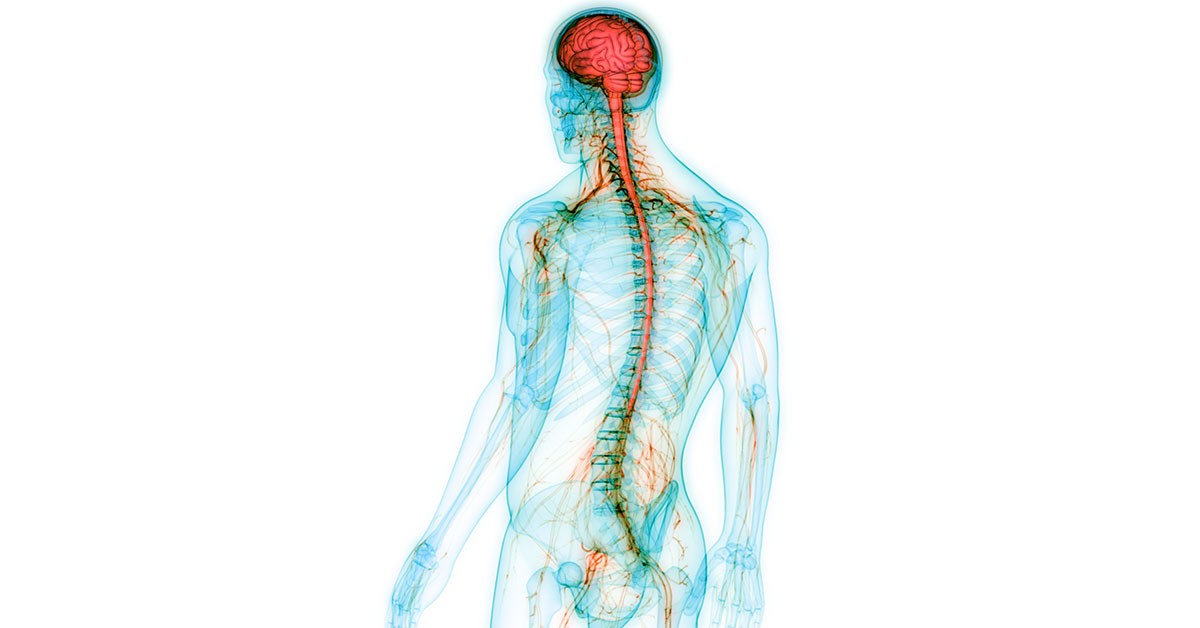
The nervous system comprises the
central nervous system (brain and spinal cord) and the peripheral nervous
system. It's responsible for processing information and coordinating responses
throughout the body.
How trauma affects the nervous
system
Trauma can dysregulate the
nervous system, leading to:
- Hyperarousal:
Heightened alertness, anxiety, and difficulty sleeping.
- Hypoarousal:
Numbness, depression, and disconnection.
- Dysregulated Stress Response:
Impaired ability to manage stress, leading to chronic health issues.
Strategies for healing the nervous
system
1. Therapy and counseling
Engaging in trauma-informed
therapy can facilitate healing. Effective approaches include:
- Eye Movement Desensitization
and Reprocessing (EMDR): Utilizes bilateral stimulation to process
traumatic memories.(Charlie Health)
- Cognitive Processing Therapy
(CPT): Focuses on challenging and modifying unhelpful beliefs
related to trauma.
- Somatic experiencing:
Addresses the body's responses to trauma, promoting physical and emotional
release.(dailytelegraph)
2. Mindfulness and meditation
Practices like mindfulness and
meditation can help regulate the nervous system by promoting relaxation and
reducing stress. Regular meditation has been found to increase activity in
areas of the brain associated with emotion regulation and can decrease symptoms
of anxiety and depression. (Charlie Health,
Grouport
Online Therapy)
3. Physical exercise
Regular physical activity
releases endorphins, improves mood, and enhances overall well-being. Activities
like yoga, walking, or dancing can be particularly beneficial.
4. Nutrition and sleep
Proper nutrition provides
essential nutrients for brain function, while quality sleep allows the nervous
system to rest and recover. Establishing a consistent sleep routine and
maintaining a balanced diet are foundational for healing.(Charlie Health)
5. Social support
Building and maintaining
supportive relationships can buffer against the effects of trauma. Social
support provides emotional validation, reduces feelings of isolation, and
promotes a sense of safety and belonging, all essential for nervous system
recovery. (Charlie Health)
Incorporating healing practices
into daily life
Establish a routine
Creating a structured daily
routine can provide a sense of stability and predictability, which is soothing
for a dysregulated nervous system.
Engage in creative activities
Art, music, and writing can serve
as therapeutic outlets, allowing for expression and processing of emotions.
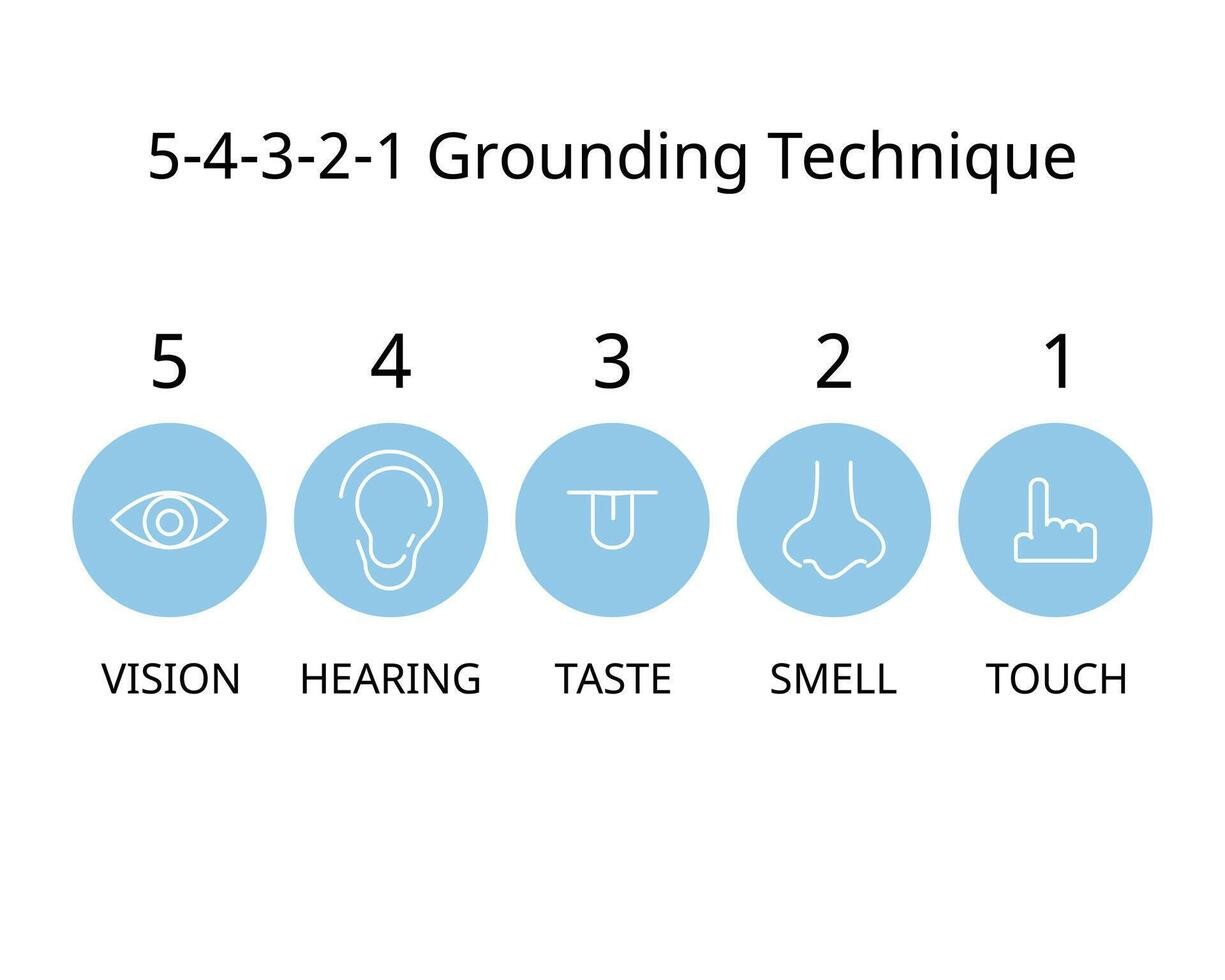
Practice grounding techniques
Grounding exercises, such as the
5-4-3-2-1 technique, can help anchor you in the present moment, reducing
anxiety and dissociation.
In conclusion, healing the
nervous system from trauma is a multifaceted process that requires patience, compassion,
and consistency. Integrating therapeutic practices, mindfulness, physical
activity, proper nutrition, and social support, can foster resilience and
reclaim a sense of balance and well-being.